


February 10, 2026

President Volodymyr Zelensky announced Feb. 8 the opening of 10 offices for weapons export throughout the European Union by the end of 2026.
“Today, we are opening exports,” Zelensky wrote. But the reality is a little different.
Ukraine’s arms makers often lament that they can make far more weapons than the Ukrainian government has money to buy. Selling or building new weapons internationally can help, they say, but export restrictions keep them bottled up in-country.
While the news that Zelensky is lowering those export barriers is certainly cause for celebration among Ukrainian weapons producers who have long eyed Western defense budgets, exports are not actually formally open yet.
“The creation of these offices is just the first step,” Oleh Tsilvik, the head of Ukraine’s State Service for Export Control, told the Kyiv Independent.
“If they launch their work, they’ll be reaching agreements, conducting work as to pre-contracts, marketing, and, when formal contracts are finally being invested in, only then will they come to us for permits.”
The export control dilemma
In the nearly four years since Russia’s full-scale invasion, Ukraine’s fast-paced development of new weapons technologies ranging from strike drones to electronic warfare stations to new devices for encrypted communication, have drawn the eyes of Western militaries.
Stringent restrictions on weapons exports have for the most part kept those weapons inside of the country, but they are a highly charged subject because there is a great deal of money to be made selling weapons abroad.
“A controlled export model is about loading production lines without touching the red line — Ukraine’s needs first.”
Ukrainian weapons makers say they can’t make enough money to expand production and feed the war effort — a situation complicated by a 25% cap on profits on defense tech sold to the Defense Ministry, the biggest buyer in the country by far.
Ihor Fedirko, current head of the Ukrainian Council of Defense Industry, told the Kyiv Independent that weapons producers are only making 40% of what they could because the Defense Ministry isn’t buying more.
“A controlled export model is about loading production lines without touching the red line — Ukraine’s needs first,” he said.
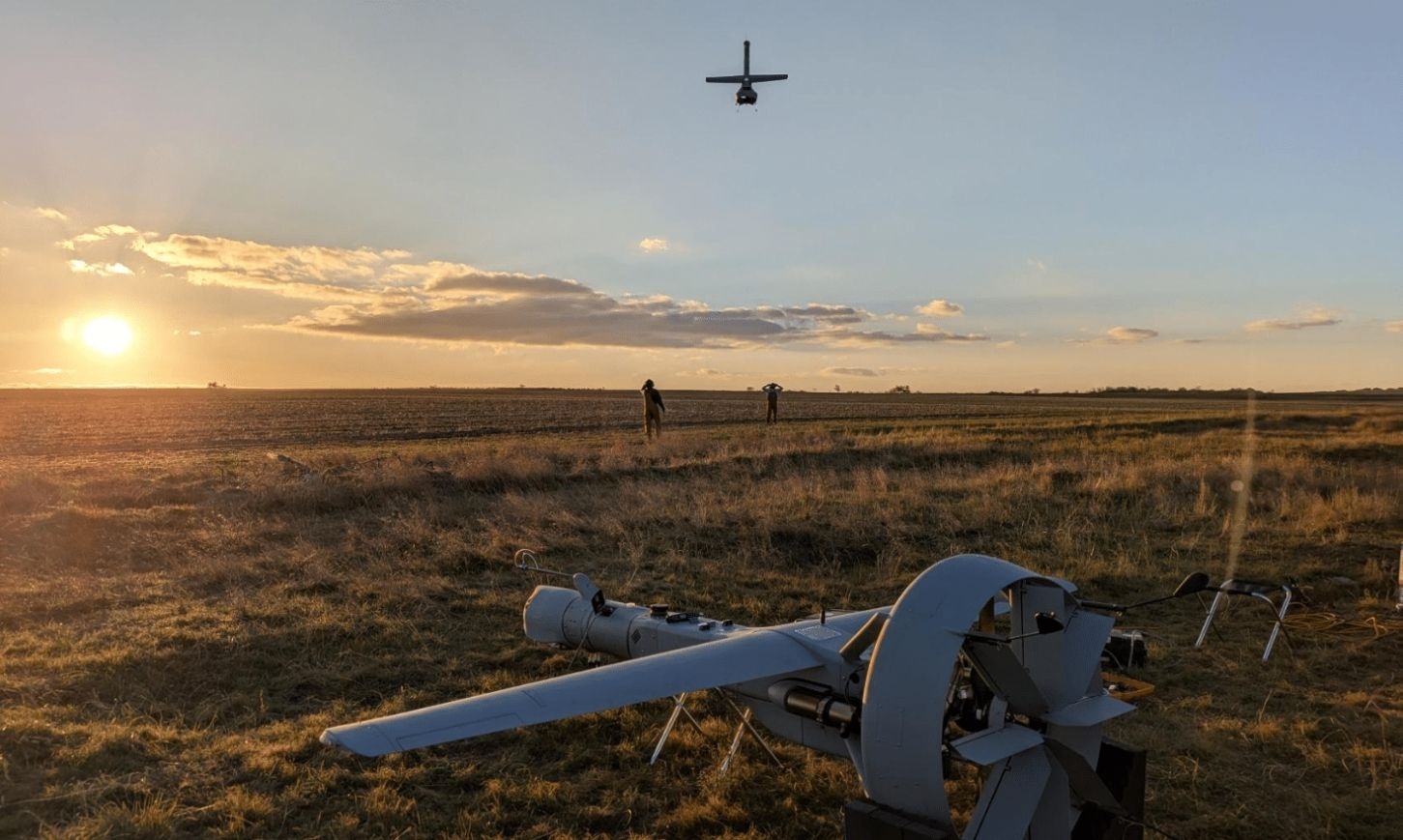
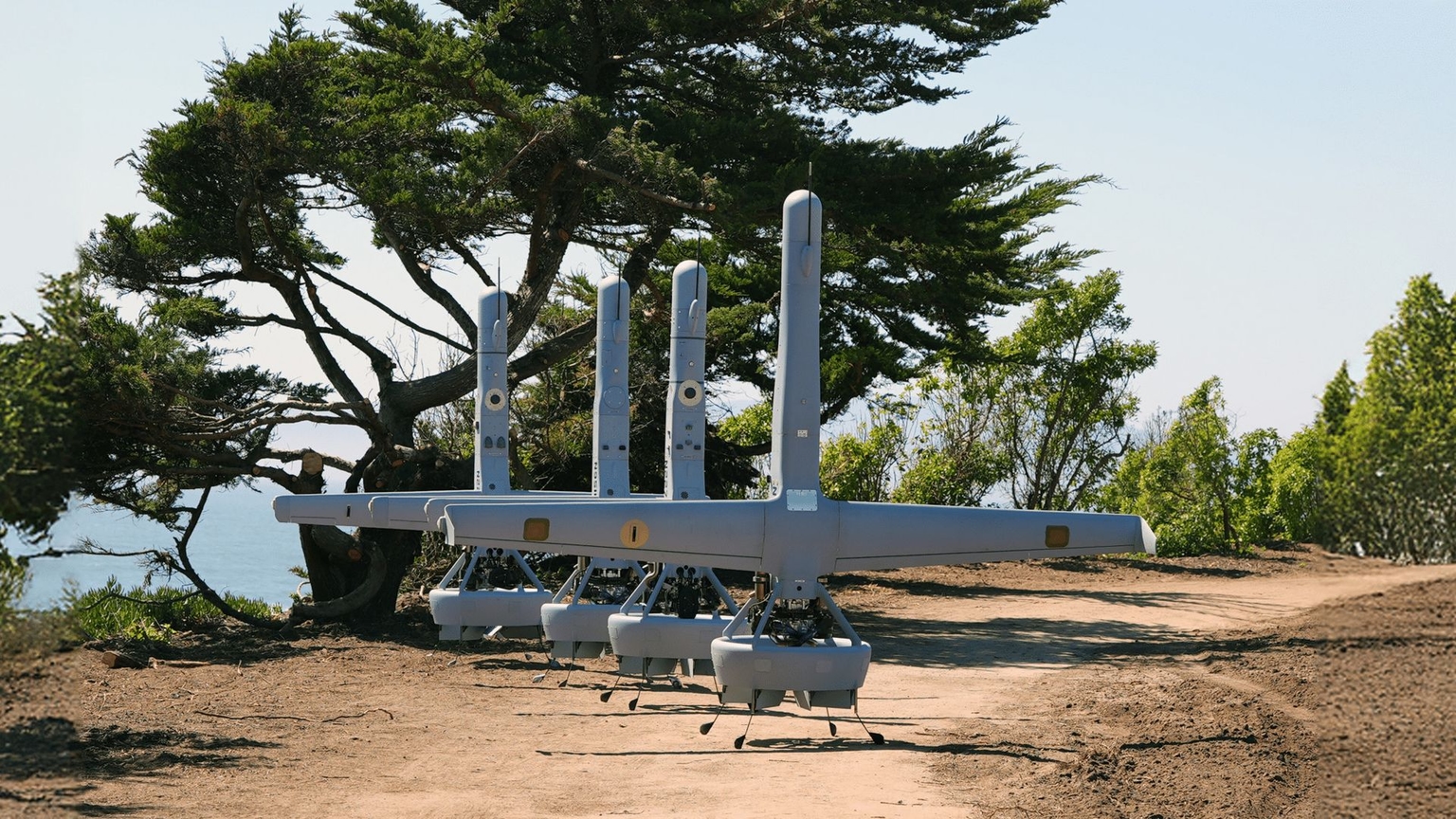
Ukraine’s Defense Ministry buys a rank-and-file FPV drone for roughly $400, with add-ons like thermal cameras or AI modules bumping that figure up typically a few hundred dollars more. International makers are charging multiple orders of magnitude more — for example as of January the U.S. Marines paid nearly $40,000 per unit for Anduril’s Bolt-M drones and the kit to fly them.
Western and especially European defense companies have seen their valuations skyrocket alongside fears that the war in Ukraine will spill over. Rheinmetall stock started 2022 at under 100 euros. Today it’s over 1,600. Drone startups like Germany’s Helsing, founded in 2021, have also hit valuations of 12 billion euro ($14 billion USD) while the largest Ukrainian dronemakers are not even in the billions.
Among Ukrainian weapons-makers, the market stranglehold is a subject of resentment, particularly relative to the eye-watering profits their Western competitors are seeing. The Ukrainian government for its part doesn’t want weaponry slipping abroad amid wartime, particularly while defense remains dependent on Western aid for many key arms. This is in part optics, and in part the bitter memory of the mass sell-off of Soviet stockpiles in the 90 and early 00s, weaponry that Ukraine sorely misses today.
Some of the bigger Ukrainian companies have already wrangled deals to operate internationally. Skyeton, for example, has a factory in Slovakia. UkrSpecSystems bought a $200 million stake in a factory in the UK last year.
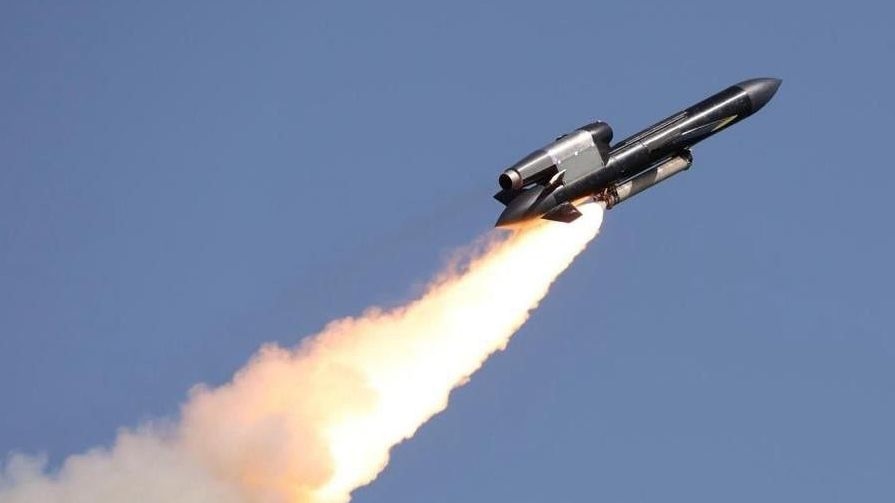
Fire Point, the producer of the FP-1 drone and the Flamingo cruise missile, is building a rocket fuel plant in Denmark thanks to a parliamentary exemption and is hammering out a deal to sell equity to an Emirati conglomerate.
Easing export controls
A bevy of new trade associations like Fedirko’s have cropped up to lobby to bring down at least some of these restrictions.
The recent announcement from Zelensky, while itself lacking in specifics, is more about co-production deals in European factories, Fedirko said, and is certainly not the end of Ukraine’s controls on weapons exports.
“What is actually moving right now is Build with Ukraine,” he said. “This is the working export channel today: Joint ventures and licensed production lines with partners abroad, with Ukrainian engineering, quality assurance, and production management inside the projects.”
As far as the 10 offices Zelensky is aiming for in Europe, Fedirko said “the only really concrete tracks so far are Germany, the UK, and Denmark.”
Tsilvik’s office is the key governmental barrier facing would-be weapons exporters. These days, he says, there’s a surge of applications, but the bulk are not looking to sell full weapons, per se.
“There are a number of services, a large quantity of components, various component parts, spare parts etc. There are almost no completed forms of weaponry,” Tsilvik said.
“For today we have a major influx of new subjects who in the future are planning to work on international transfers.”
The bigger picture
Ukrainian arms makers selling their weapons abroad is much more than just a financial question — it is a question of who will get to build the West’s arsenal during an active technological arms race.
While the recent news is a far cry from an open weapons market, the total value that even the tentative opening of exports that Zelensky is touting would be a major cash influx for the industry.
“I’d keep it conservative: Up to $2B in controlled exports once the system is actually working,” Fedirko estimated.
https://kyivindependent.com/analysis-what-we-know-about-zelenskys-opening-of-weapons-exports
“…weapons producers are only making 40% of what they could…”
For me, this is a key statement. It shows the incredible dynamics that the country’s arms producers are enjoying, if you can phrase it that way. Certainly, with an influx of more money, Ukraine could produce more of the types of weapons that makes it possible to fullfill their dream of killing 50,000 roaches per month. If it means exporting weapons to earn that money, then so be it.